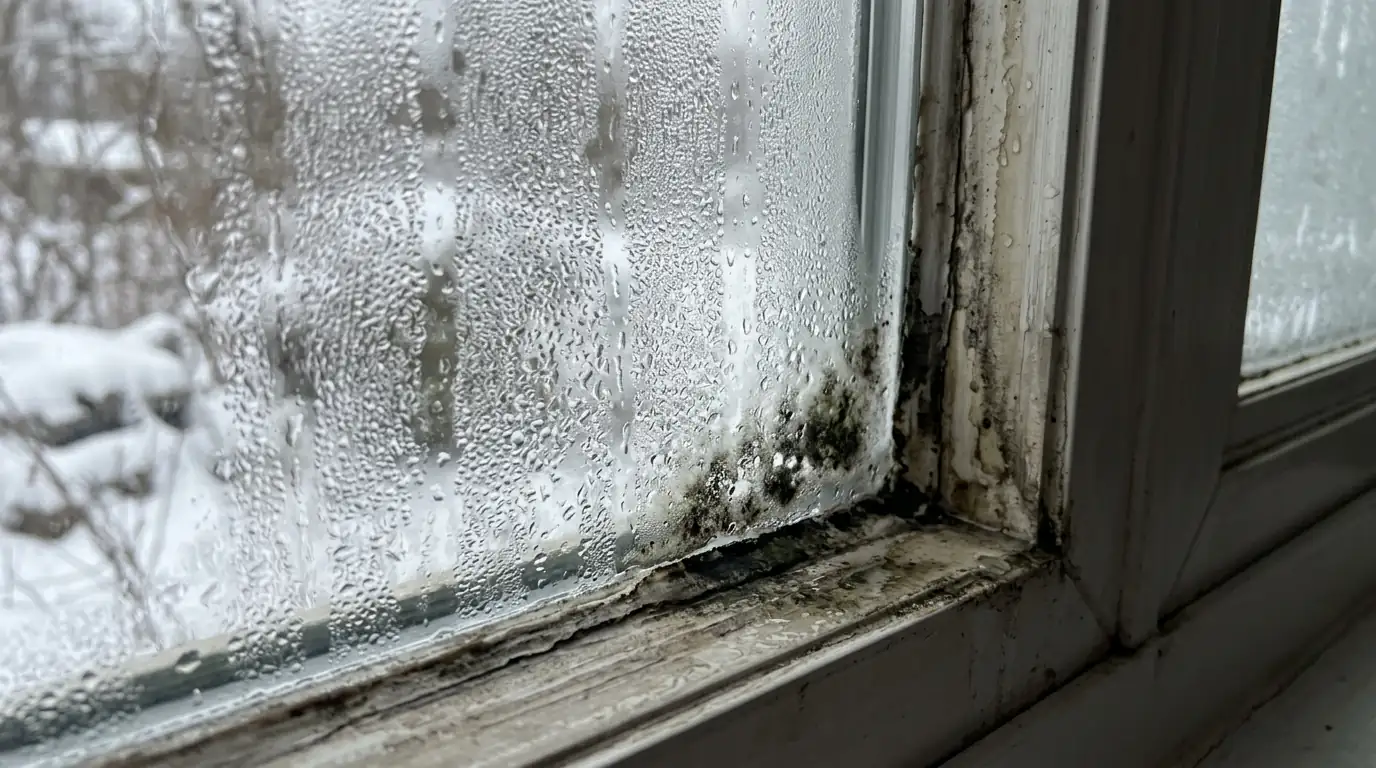
An empty house has nobody to notice a slow drip, a failed sump pump or humidity building in a closed room. Keep the heat on at a safe setting, shut off the main water when you leave, add a remote humidity and leak sensor, and have someone check the house regularly. A musty smell on arrival means something stayed wet while you were gone.
How many Utah homes sit empty
In mountain areas, an empty house is normal. Summit County had 32,535 housing units in 2022, and 51.8 percent of them were vacant; most vacant units there are held for seasonal or occasional use. Park City's 2021 housing study counted 7,041 vacant units out of 10,440, and 6,750 of those were second homes or recreational use.
Those homes are lived in for a few weeks a year and closed up the rest, which is the pattern that lets small moisture problems grow for months before anyone sees them.
Why empty homes grow mold
A lived-in house gets checked every day without anyone trying. In an empty one, a dripping supply line, a toilet that runs, snow melting through a roof or a crawl space taking on spring water can go on for weeks.
Closed rooms with no air movement also hold humidity against cool walls and window glass. Turning the heat way down in winter saves money but leaves more surfaces cold enough for condensation, especially in basements and lower levels.
Setting up a house to stay dry
Before you leave for more than a couple of weeks:
- Shut off the main water supply, or at least the lines to washers and ice makers
- Keep the heat at a setting that protects pipes, not off
- Install a sensor that sends humidity and leak alerts to your phone
- Leave interior doors and closet doors open so air can move
- Run a dehumidifier with a drain hose to a floor drain in the lower level
- Arrange for someone to walk through the house on a regular schedule
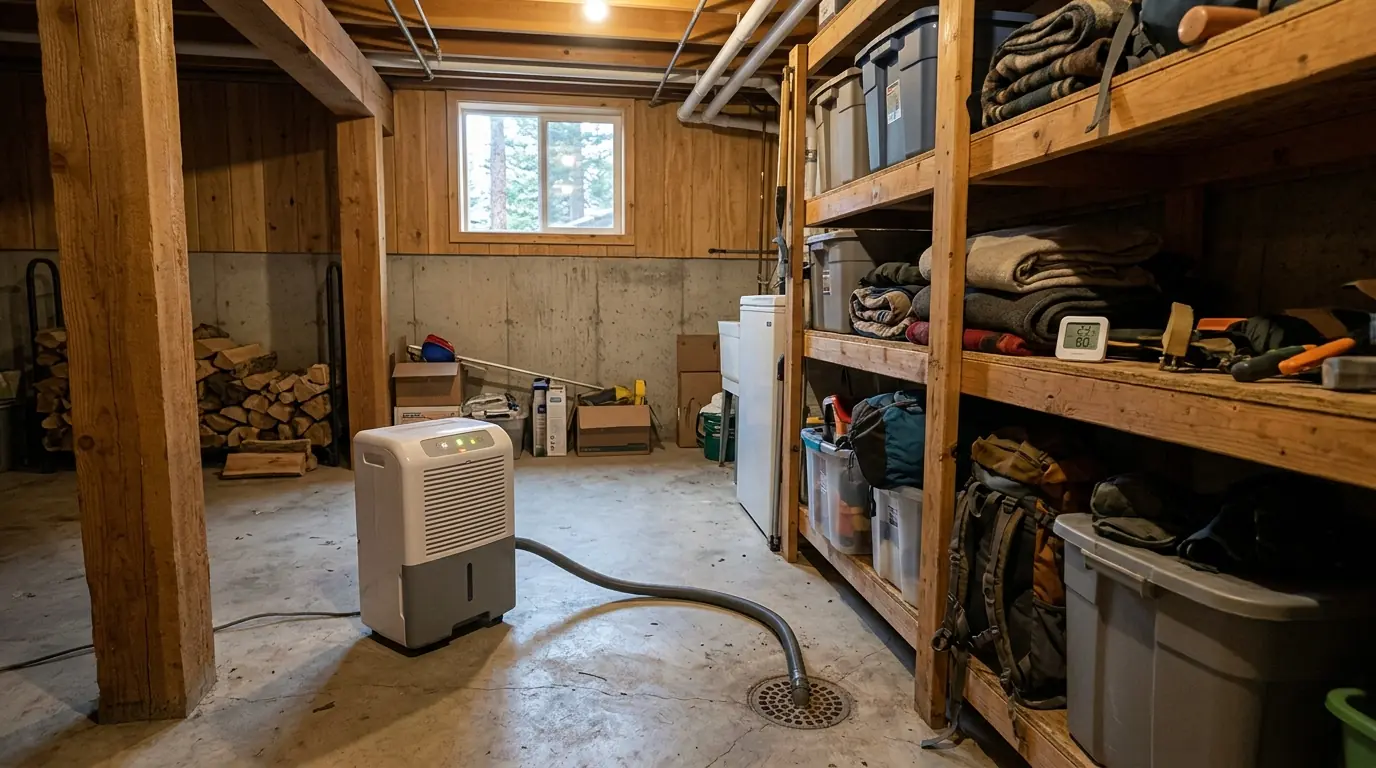
Checks that matter each season
In late winter and spring, the concern is snowmelt: roof leaks from ice dams, water in window wells and groundwater in basements and crawl spaces. In summer, it is humidity in closed lower levels. In fall, it is getting gutters clean and the house set up before the first freeze.
If you are not there to do it, a scheduled vacant and seasonal home moisture check covers the same ground with readings and photos sent to you.
Arriving to a musty house
A musty smell when you open the door means something stayed damp while the house was empty. Open windows, check under sinks, around the water heater, the lower level and any crawl space access, and look for stains on ceilings below bathrooms and along exterior walls.
If you find soft drywall, wet carpet or visible growth larger than a small patch, do not run the furnace fan hard to clear the smell, which can move spores through the ducts. Call for an inspection first.
Where we can help
Quick questions
Warm enough to protect the pipes in the coldest room; many owners use the mid to upper 50s, but check with your plumber for your house.
Yes. They tell you about a leak or rising humidity days or weeks before your next visit.
Sources
Answered around the clock
Musty cabin or second home? Call us.
Tell us how long it has been empty and what you found. We will explain what we would check.