Updated October 2026
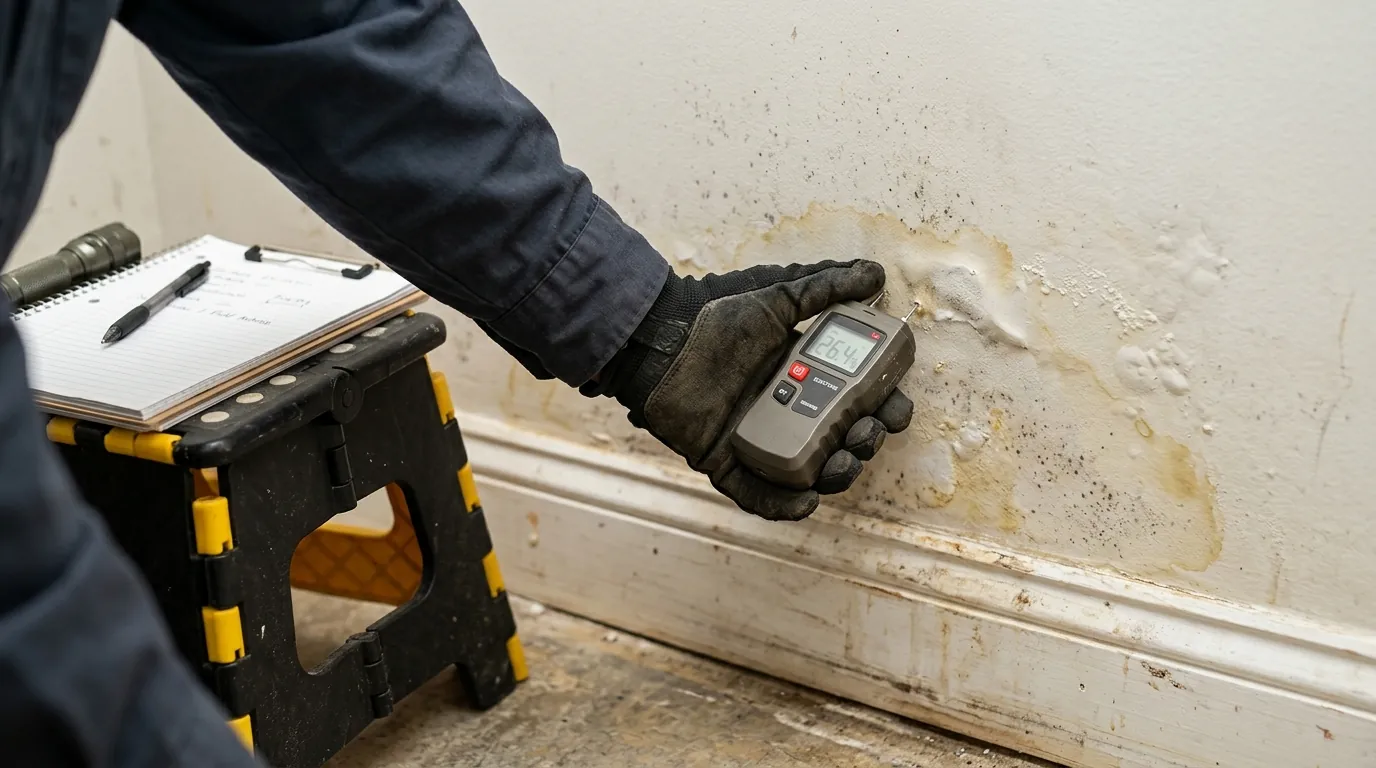
Vacant and seasonal home moisture checks in the Salt Lake City area are scheduled visits to houses nobody is living in, with moisture readings at the water heater, under sinks, in the basement and attic, and a look at windows and ceilings. You get photos and readings after each visit, so a slow leak is caught in weeks rather than months.
Why empty houses grow mold
Nobody is there to hear a drip, smell a basement or notice a stain. A supply line that fails in December can run until spring, and a house closed up with the heat turned low can trap humidity in the basement and closets.
A regular check costs little next to finding months of water damage on the first warm weekend of the year.
What each visit covers
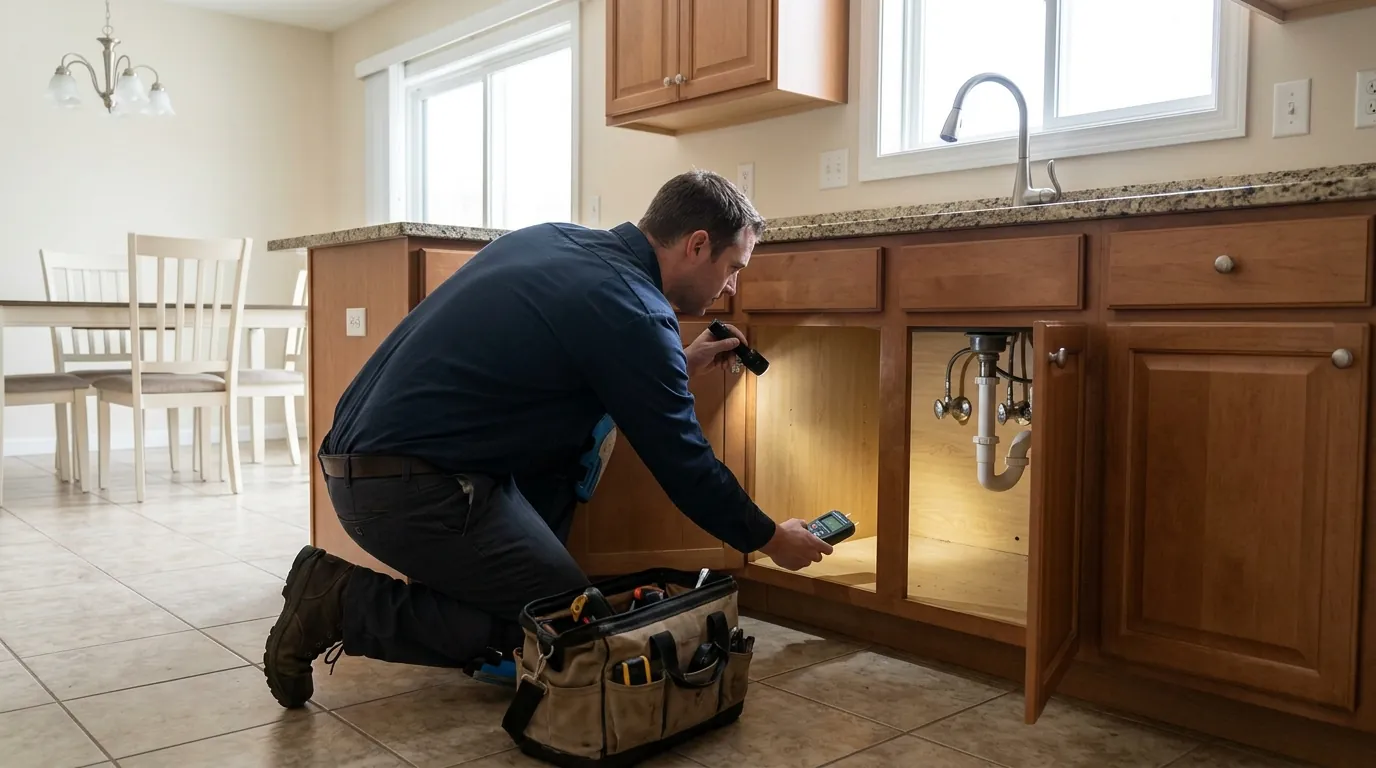
- Water heater, washer and supply lines
- Under every sink and around every toilet
- Basement walls, floor and window wells
- Ceilings below bathrooms and the attic hatch
- Indoor temperature and humidity readings
- Photos of anything that has changed since last time
- A short written report after each visit
Second homes and cabins closed for winter
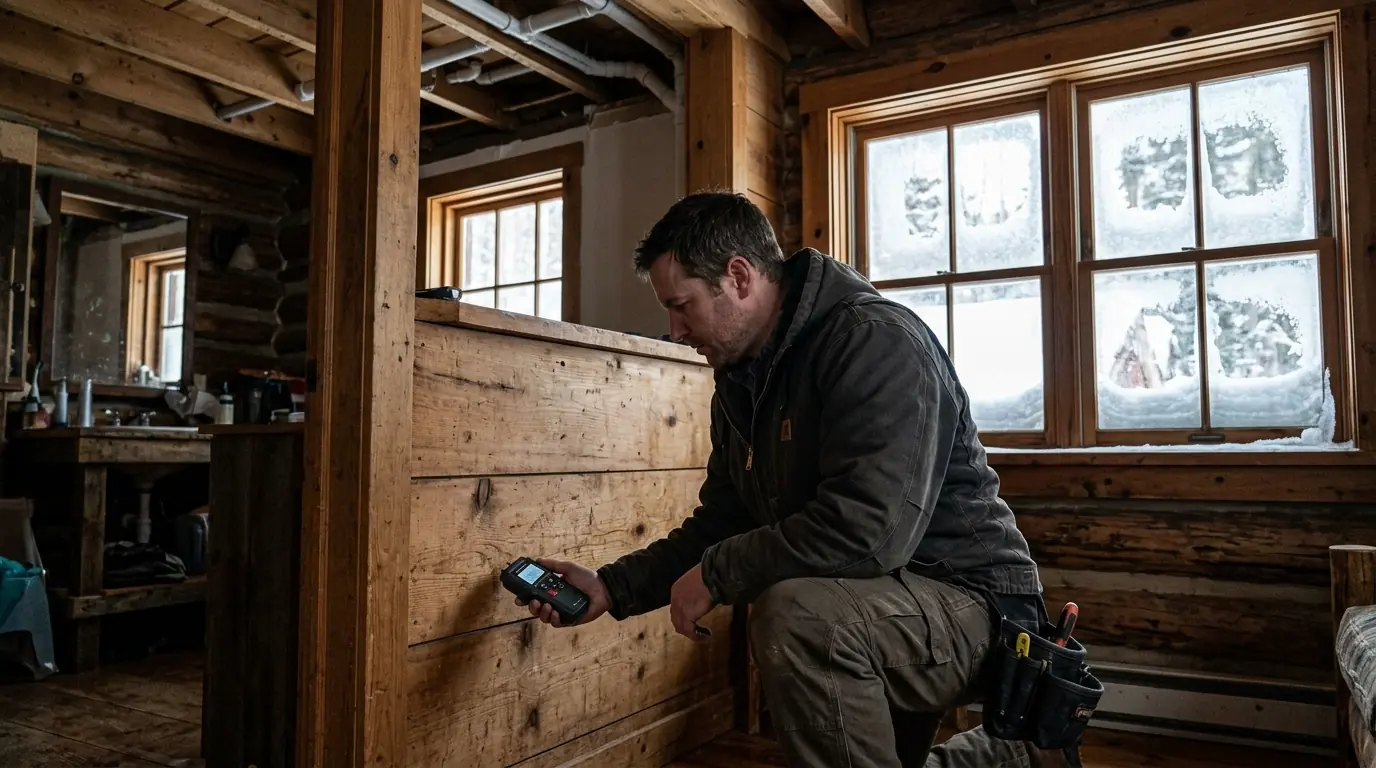
Second homes are usually closed in fall with the heat turned down and the water sometimes left on. Cold snaps freeze pipes in exterior walls, and the leak starts when they thaw. We check after cold spells and on a regular schedule through the winter, read the walls and floors where pipes run, and look at ceilings under bathrooms. If anything is wet, we call you right away and can start drying before the damage spreads into floors, walls and ceilings below.
Vacant homes for sale or between tenants
Houses on the market or between leases often sit empty with the utilities on and nobody looking closely. Regular checks protect the sale or the next lease: a leak found early is a small repair, while one found by a buyer's inspector is a negotiation. Owners, agents and property managers get a record of each visit, which is also useful if a buyer later asks about the home's history with water. Checks can stop the week the house sells or a tenant moves in.
A Salt Lake City winter, with nobody home
Salt Lake City's climate is semi-arid with dry, low-humidity summers, and its precipitation peaks in spring. For an empty house that means two risks in sequence: frozen pipes in winter cold snaps, then spring water against the foundation as the snow melts. A schedule that adds visits after hard freezes and during the melt catches both before they turn into a mold job.
How the job runs, step by step
- 1
First walk-through
A baseline of readings and photos.
- 2
Agree the schedule
Regular visits plus weather checks.
- 3
Visit and read
Every water source and trouble spot.
- 4
Compare
Against the last visit's readings.
- 5
Report
Photos and notes after each visit.
- 6
Call if anything changes
Right away, not at the next visit.
- 7
Start drying if needed
Before the damage spreads.
What drives the cost of scheduled checks
Checks are priced by the size of the home and how often we visit.
- Visit frequencyEvery few weeks or monthly.
- Home sizeNumber of levels and bathrooms.
- Extra visitsAfter freezes or storms.
- DistanceLocation within our service area.
- Report detailPhotos and readings for owners or managers.
How often, and how long each visit takes
Most homes are checked every few weeks, with extra visits after hard freezes or big storms. A visit takes long enough to walk every room and read the usual trouble spots.
We agree on the schedule with you up front, and you can change it as the season changes.
Questions about vacant and seasonal home moisture checks
No. We arrange access with you once and report after each visit.
We call you right away and can start drying and cleanup if you want us to.
Yes. Visits can be timed before you or renters return.
Yes, across our service area. See where we work.
Winter is the main season, but vacant homes for sale can be checked all year.
Answered around the clock
Leaving a home empty this winter? Call us.
Tell us about the house and how long it will be empty. We will suggest a schedule.