Updated October 2026
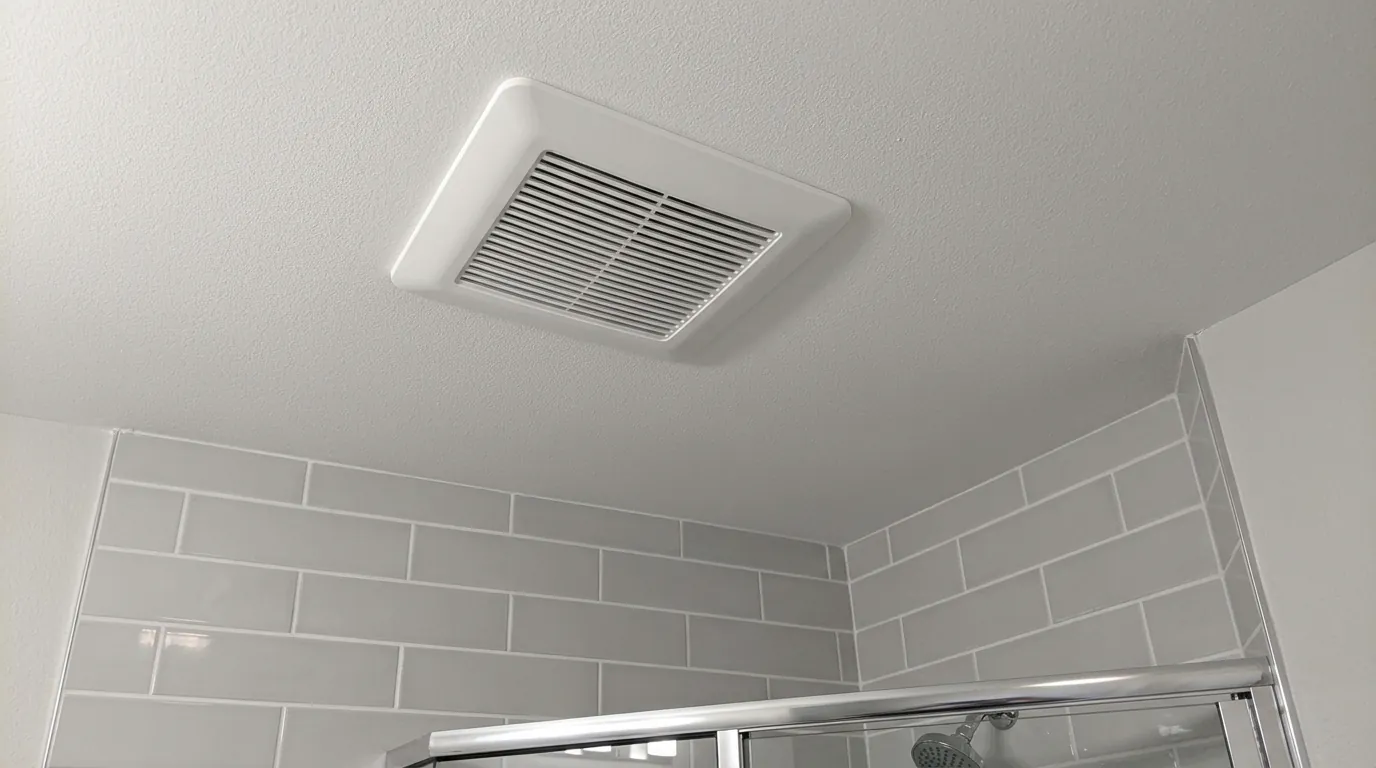
Whole-house dehumidifier installation in Salt Lake City means fitting a ducted unit in the basement or crawl space that drains itself and runs on a humidistat. EPA guidance puts ideal indoor humidity at 30 to 50 percent, and a ducted unit holds a lower level steadily where portable units cycle off.
Why a dry city still needs a dehumidifier
Most of the year Salt Lake air is dry, but a basement is not most of the house. It sits against cool soil, holds the laundry and sometimes a swamp cooler's damp air, and summer humidity condenses on its walls.
A dehumidifier does not fix a leak. It handles what is left once the water is dealt with: the steady damp that keeps a finished basement smelling musty.
What drives the cost of a whole-house dehumidifier
Installed cost depends on the unit and how it connects to the space.
- Unit sizeRated capacity for the square footage.
- DuctingA standalone unit or ducted to the HVAC.
- DrainageGravity to a drain or a condensate pump.
- LocationBasement mechanical room or a tight crawl space.
- ElectricalA dedicated outlet near the unit.
Portable unit or whole-house system?
| Compared | Portable dehumidifier | Whole-house ducted unit |
|---|---|---|
| Draining | A bucket to empty, or a hose if placed near a drain | Drains itself to a floor drain or pump |
| Coverage | One room | The whole basement or crawl space |
| Noise | Sits in the room | Installed out of the way, ducted in |
| Best for | A small damp room or a short-term fix | Basements and crawl spaces that stay damp all summer |
What you can do yourself first
| Step | Do it yourself | When to call us |
|---|---|---|
| Check humidity | A cheap hygrometer in the basement | If it stays above 60 percent |
| Run a portable unit | Empty it daily, keep doors closed | If the smell comes back anyway |
| Look for water | Check walls, window wells and the water heater | If readings suggest a leak |
| Improve airflow | Keep boxes off exterior walls | If mold has already grown |
Basement dehumidifiers
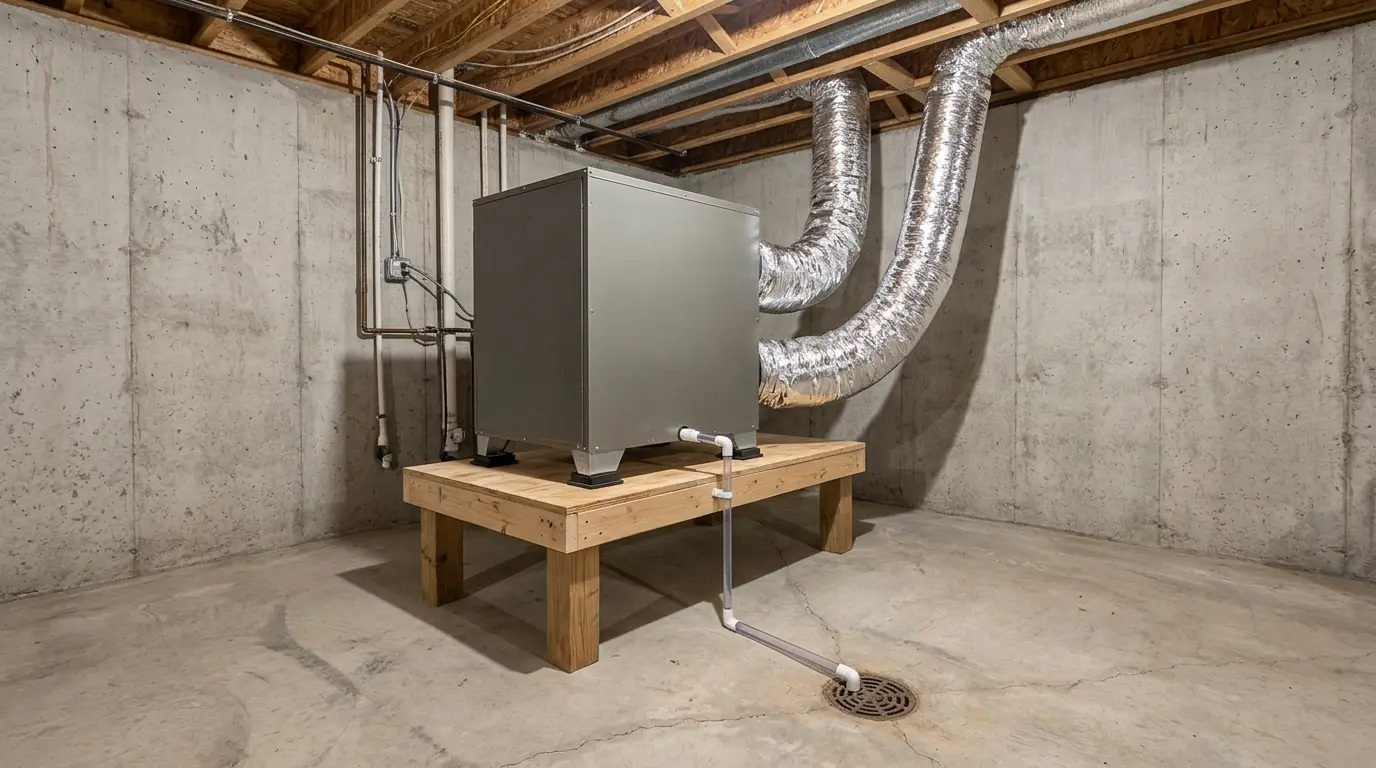
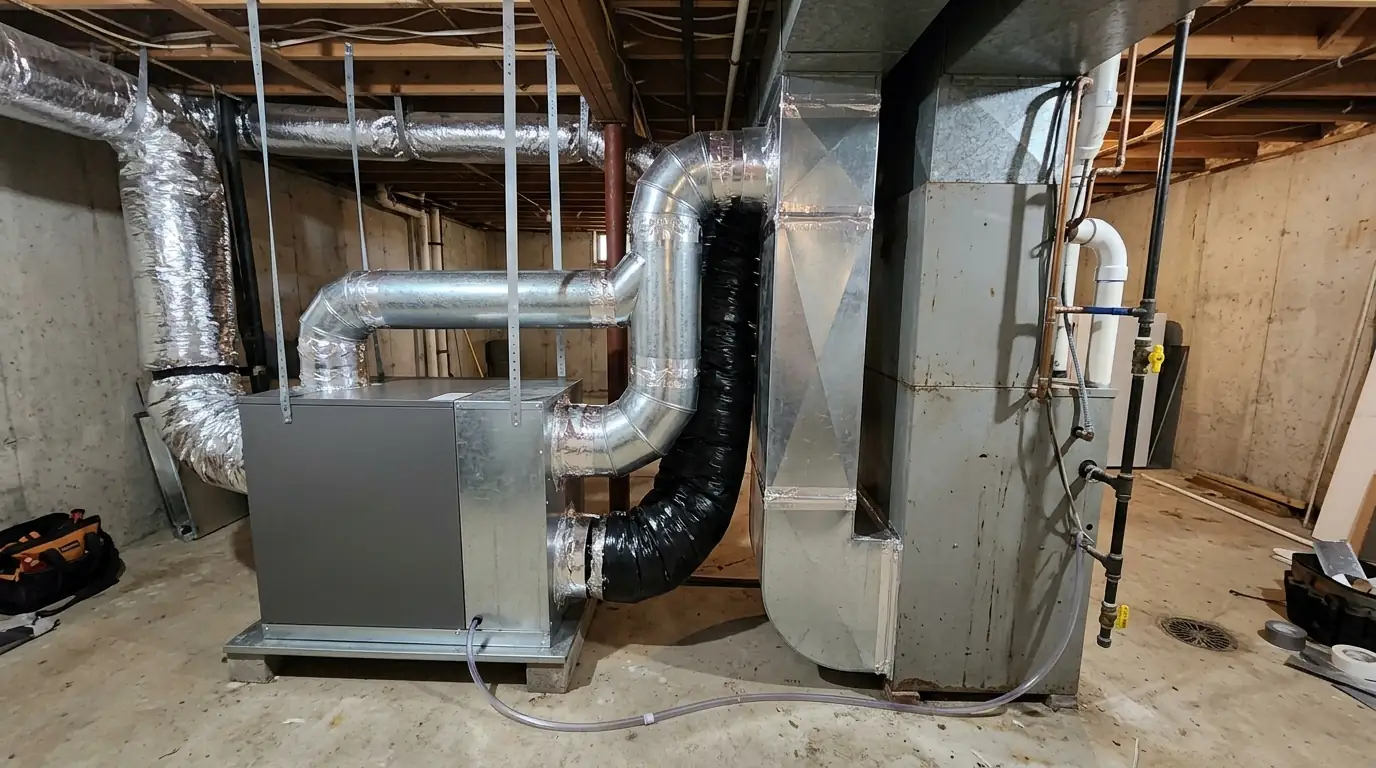
A ducted basement unit pulls damp air from the space, dries it and returns it, running on a humidistat instead of a timer. We size it to the basement's square footage and how damp it runs, place it where it can drain by gravity or with a small pump, and duct it so air moves through the whole level instead of one corner. In a finished basement the unit usually goes in a mechanical room with a return in the living space, so it is out of sight and out of earshot.
Crawl space dehumidifiers
Crawl spaces sit over soil that gives off moisture all year. A crawl space unit is built to run in tight, cool spaces and usually goes in after a vapor barrier or encapsulation, because drying air over bare dirt is a losing battle. We set it on a stand, run the condensate to a drain or pump, and set the humidistat low enough to keep the joists and subfloor dry. A hygrometer you can read from above lets you check it without crawling in.
Swamp coolers and summer humidity
Swamp coolers once cooled about four of every five homes in Utah, and many older houses still have one. They work by adding water to the air. A study of homes in Utah County found indoor humidity ran significantly higher in summer where a swamp cooler did the cooling. That extra moisture settles in the coolest part of the house, the basement, which is why a musty basement in a swamp-cooled home often needs humidity control as well as cleaning.
How the job runs, step by step
- 1
Measure the humidity
Readings over the space, not one spot.
- 2
Rule out leaks
A dehumidifier is not a leak fix.
- 3
Size the unit
Square footage and how damp it runs.
- 4
Plan the location
Drainage, noise and service access.
- 5
Install and duct
Mounted, ducted and drained.
- 6
Set the humidistat
A target that keeps materials dry.
- 7
Check it runs
Drainage and airflow confirmed.
We install and service whole-house dehumidifiers from Aprilaire, Santa Fe, Ultra-Aire and AlorAir, sized to the space and the humidity it holds.
Questions about whole-house dehumidifier installation
EPA guidance puts the ideal range at 30 to 50 percent, and staying under 60 keeps mold from growing.
No. Fix the water first. A dehumidifier handles the damp that remains.
Some units can. Others work better standalone. It depends on the house.
Yes. It is built for tight, cool spaces and works best over a vapor barrier.
Filters get checked a few times a year; the rest is mostly keeping the drain clear.
Answered around the clock
Basement always damp? Call about humidity control.
Tell us about the space and what you have tried. We will explain whether a whole-house unit makes sense.