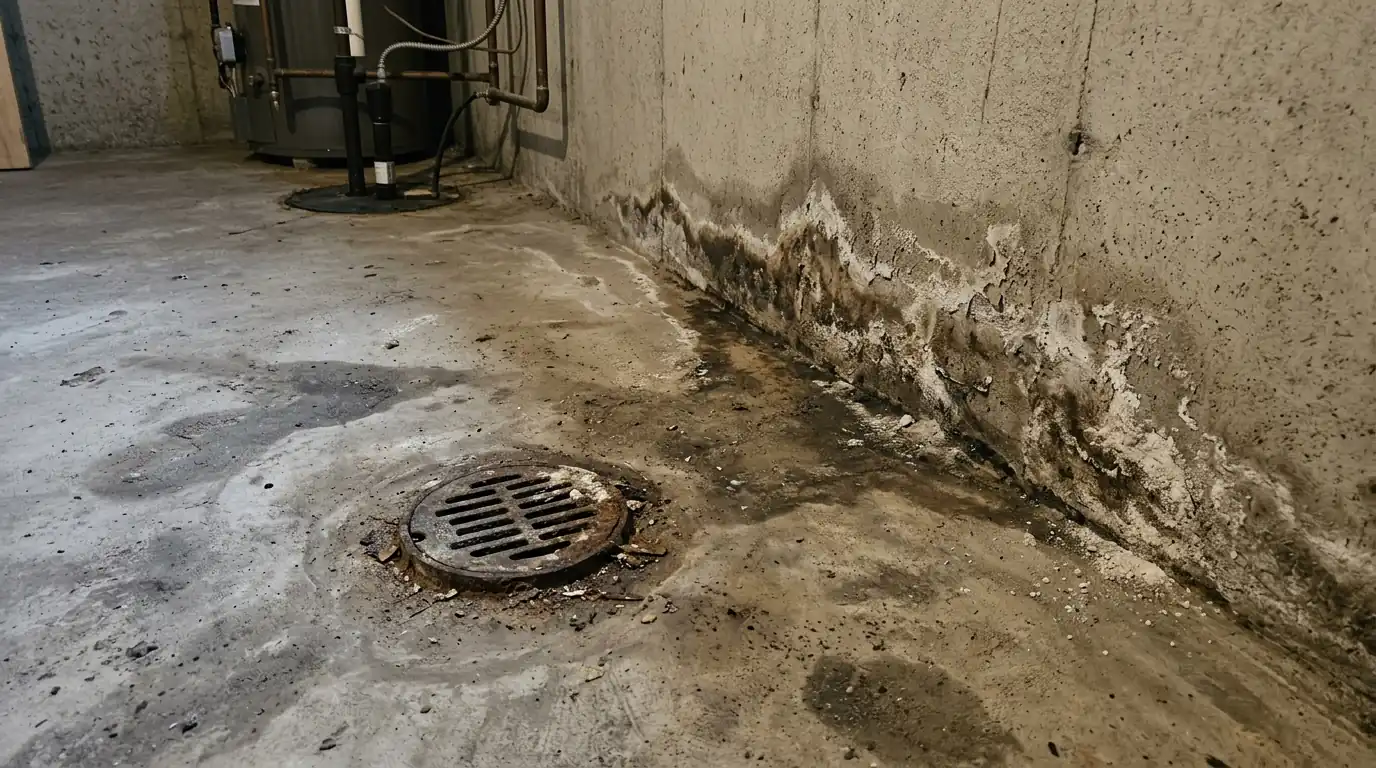
Past mold work is common and not a reason to walk away by itself. Ask for the scope, before and after photos, moisture readings, any clearance test and proof the water source was fixed. Utah has no state mold license, so those records are how you judge the work. If they are missing, an inspection with moisture readings before closing fills the gap.
Past mold work is not automatically a problem
Plenty of good houses had a leak at some point. A basement that took water once, a bathroom with a bad fan or an attic venting problem can all be fixed properly and stay fixed. What you want to know is whether this one was.
Two questions decide it: was the moldy material removed and the area dried, and was the moisture source dealt with. If both are true and documented, past mold work is a line in the history, not a defect.
Why the paperwork matters in Utah
Utah has no statewide license for mold remediation or mold inspectors. That means a company name on an invoice does not tell you much about the method. The records from the job are the best evidence you have of what was actually done.
What to ask the seller for
Ask your agent to request:
- The written scope: which rooms, which materials were removed and how much
- Before, during and after photos, including the containment
- Moisture readings taken before the walls were closed back up
- Any clearance test report after the work
- What caused the moisture and how it was fixed: a repair invoice, a new fan, grading or a sump pump
- Dates, so you can see whether the problem has had a season to come back
Signs the work held
On your walkthrough, the house should not smell musty, especially in the area that was treated. Walls and floors there should read dry on a moisture meter, and there should be no new staining at baseboards, corners or ceilings.
Be more careful when fresh paint covers only one wall or ceiling patch, when strong air fresheners are running, or when the seller cannot say what caused the original problem. None of those prove anything on their own, but they are reasons to look closer.
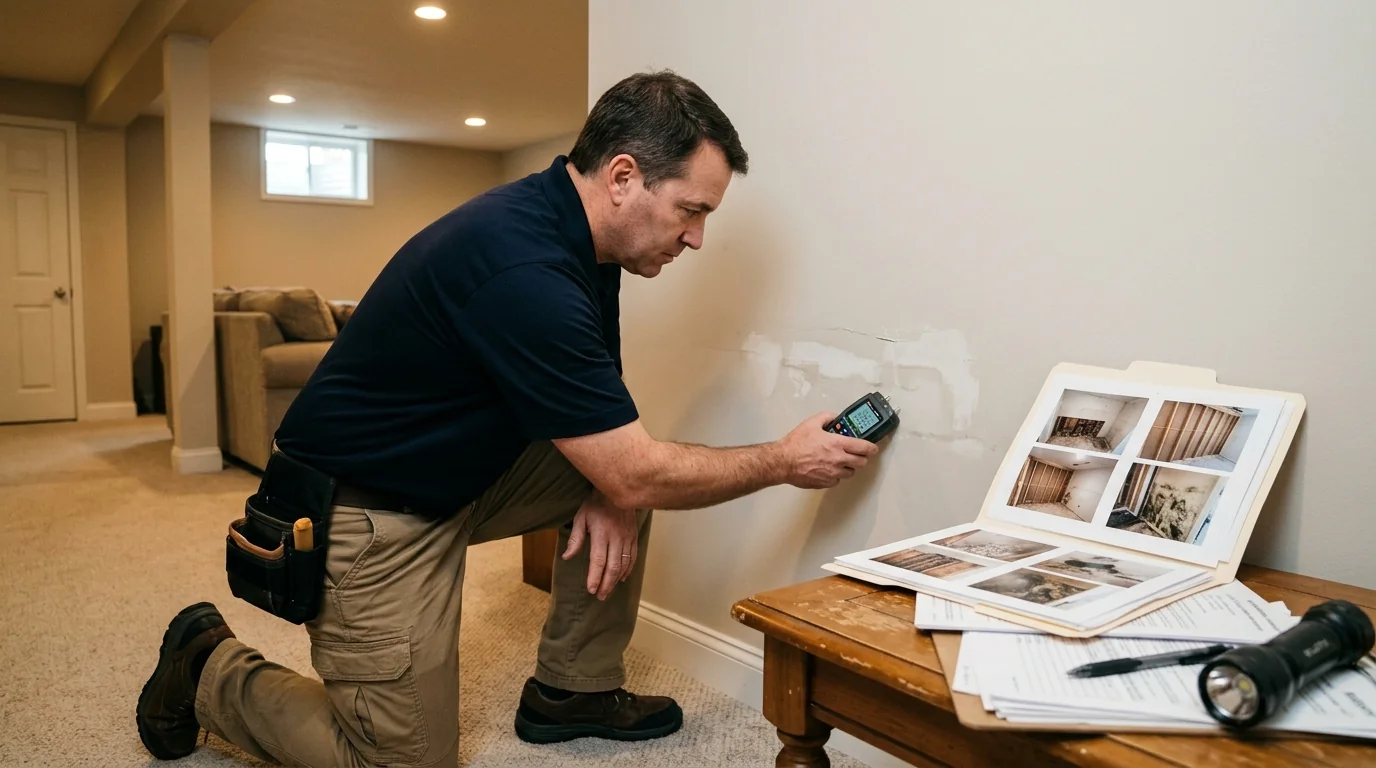
When to test before closing
If records are missing or the cause is unclear, a real estate mold inspection during the inspection window checks the treated area and the likely sources with moisture readings and photos. Air samples add information when there is a smell but nothing visible.
Our guide to mold testing before buying covers how that fits into your inspection period. For questions about disclosure and contract terms, your agent or a real estate attorney is the right person to ask.
Where we can help
Quick questions
Not automatically. Records showing the material was removed and the cause fixed usually mean the problem is behind it.
It can if the moisture source was never fixed, which is why the cause matters more than the cleanup.
Sources
Answered around the clock
Buying a house with past mold work? Call us.
Tell us what the listing says and what records you have. We will explain what we would check.