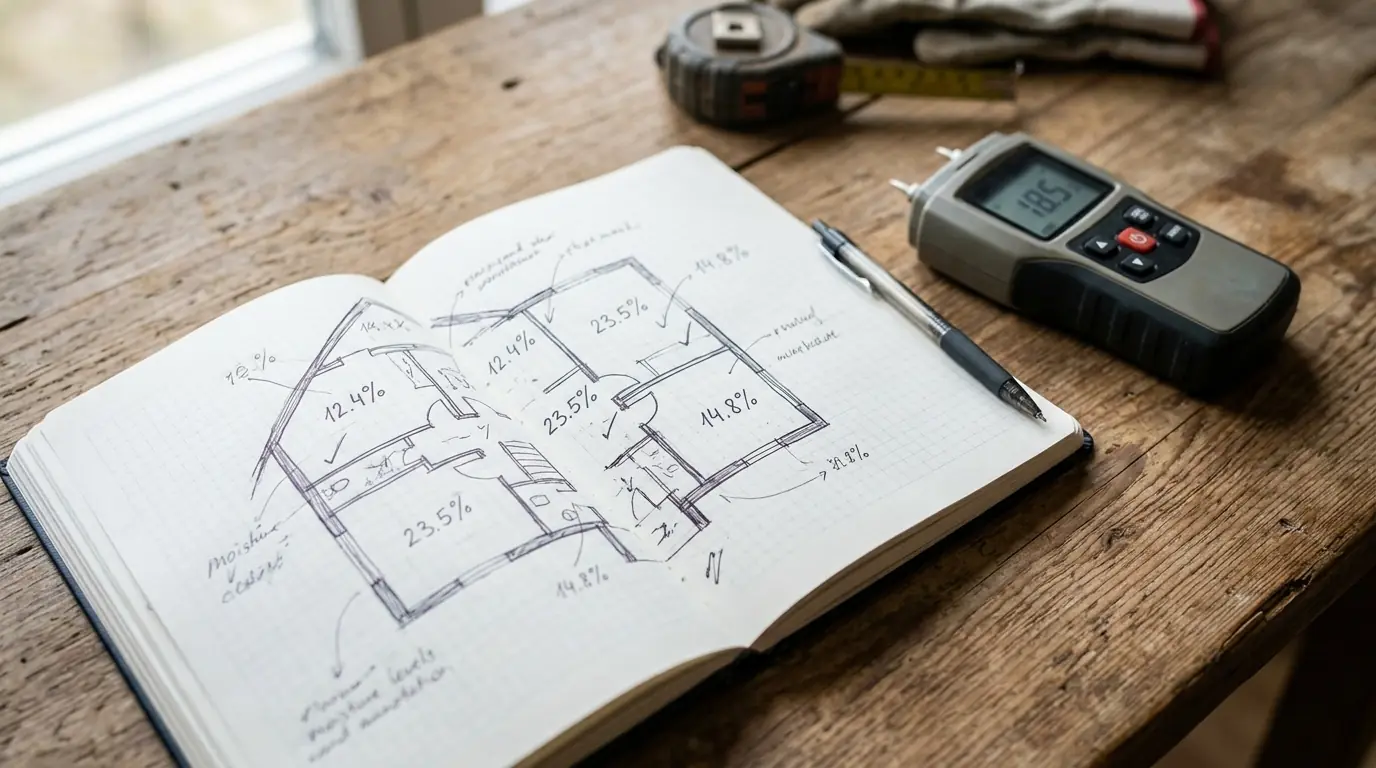
A moisture-focused mold inspection is usually worth it before buying an older Utah home or any home with a finished basement. Lab testing is worth adding only when there are signs of hidden growth or you need documentation. HomeGuide puts typical inspections at $300 to $650, small next to the cost of opening finished walls after closing.
What a home inspection covers, and what it does not
A general home inspector notes water stains, musty smells and obvious growth, then moves on. That is the job: covering the roof, electrical, plumbing and everything else in a few hours.
A mold inspection follows those notes. It reads moisture in walls, floors and ceilings, looks into the attic and crawl space, and answers the question buyers actually argue about: how much is affected and what it will take to fix.
When a mold inspection is worth it
Some houses carry more risk than others. The median home in Salt Lake City was built in 1965 and about a quarter predate 1940, so older foundations, original bath fans and layers of remodeling are common, and each hides moisture differently. Add a mold inspection when you see any of these:
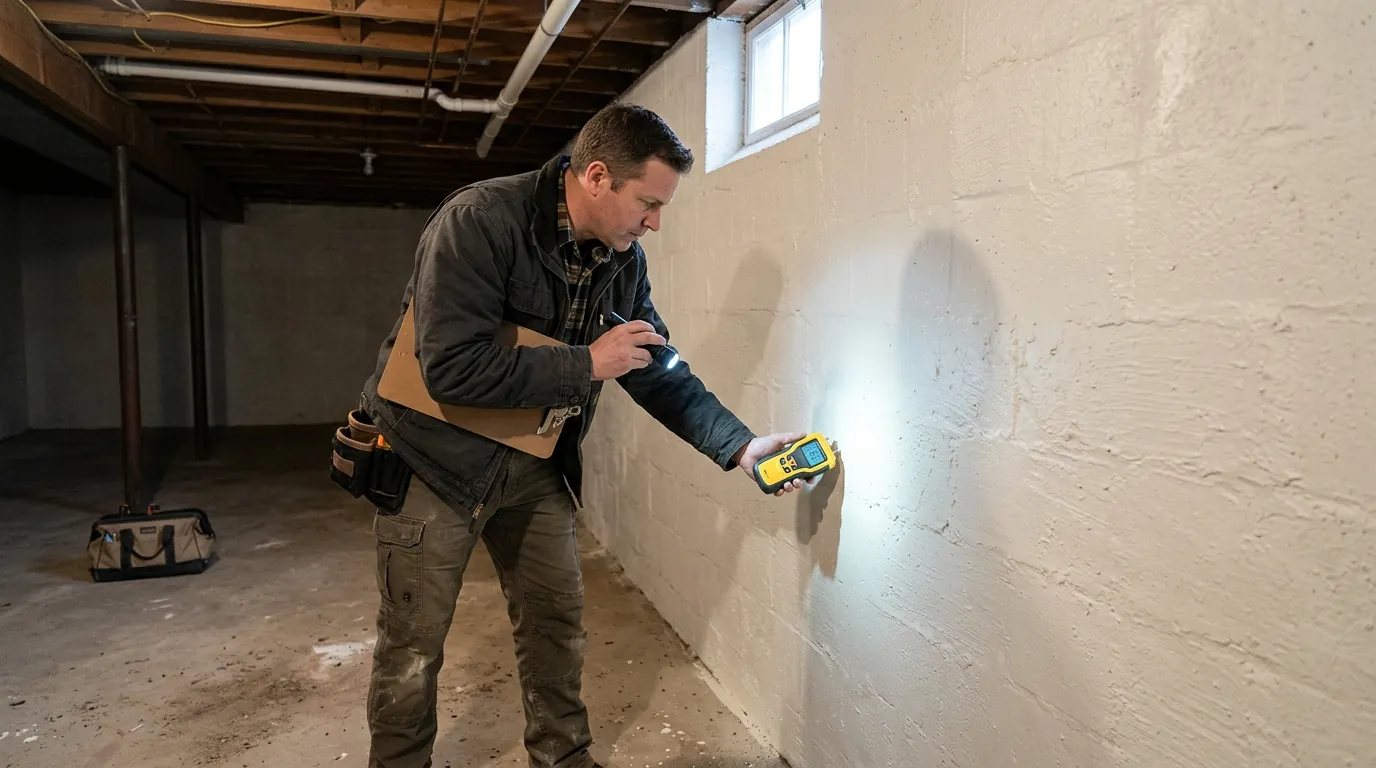
- A finished basement, especially with carpet over the slab
- Fresh paint on basement walls or one ceiling
- A musty smell that the listing agent explains away
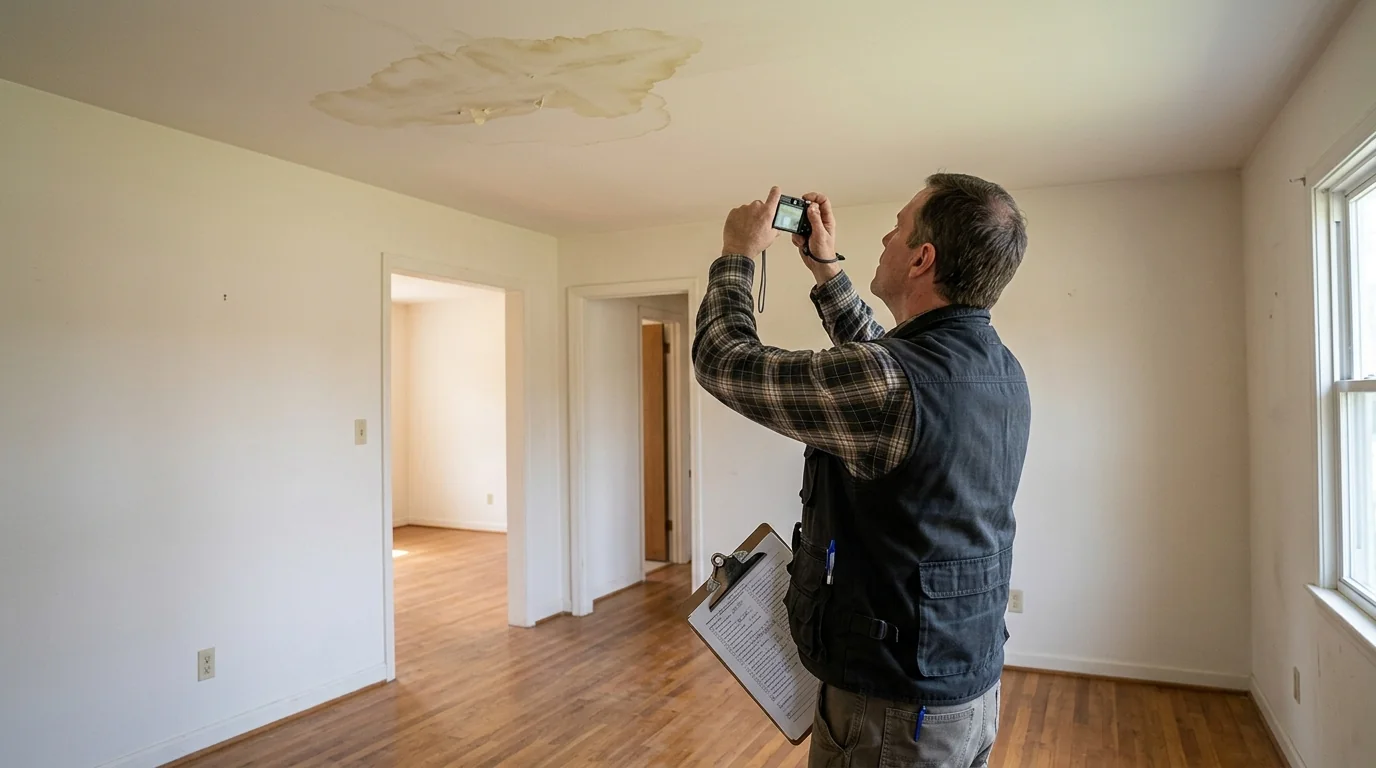
- Stains noted in the home inspection report
- A swamp cooler, crawl space or bathroom with no fan
- Signs of past water: tide lines, new baseboards in one room
When lab testing adds something
If the inspection finds visible growth and a clear source, a lab test rarely changes the plan. Testing earns its cost when readings suggest hidden growth, when someone in your household has asthma, or when your lender or your own records need documentation.
An air test only means something alongside an outdoor sample taken during the same visit. Indoor counts well above outdoor counts, or types inside that are not outside, point to a source. See how to read a mold test report.
What to do with the results
A written scope with photos turns a vague worry into a number you can negotiate with. Buyers usually take one of three routes: a repair credit at closing, remediation by the seller before closing with documentation, or walking away if the problem is larger than the deal can carry.
Whichever route you take, ask for the moisture source to be fixed, not only the growth removed. A cleaned wall over a live leak is next year's problem, and it will be yours.
Timing inside a contingency
Inspection contingencies are short, so book the mold inspection as soon as the home inspection report flags anything, or at the same time if the house fits the list above. Visual results and photos come quickly. Lab results take a few business days, so add samples early rather than at the end of the window.
Red flags to watch for during a showing
You do not need a meter to notice the things that justify one. Walk the basement slowly, open closets on exterior walls and look up at bathroom ceilings. These are worth writing down and handing to your inspector:
- A dehumidifier running hard in the basement during a showing
- Air fresheners or candles concentrated in one room
- Warped baseboards or new baseboards in only one area
- Rust on the water heater base or furnace cabinet
- A window well full of leaves or standing water
If you are selling instead
Sellers can run the same inspection before listing. Finding a problem on your own schedule lets you fix and document it before a buyer's inspector finds it in the middle of a negotiation, and a clean result is something you can show buyers up front.
Where we can help
Quick questions
Access depends on your contract. Most contingencies allow additional inspections within the window.
Not always, but it is worth reading the walls behind it with a moisture meter.
Sources
Answered around the clock
Under contract and unsure? Call us.
Tell us about the house and your deadline. We will explain what an inspection would cover.