
In a Utah rental, the tenant's job is to report mold promptly and in writing, and the landlord's job is to find and fix the cause. Utah's Fit Premises Act lays out what each side is responsible for in keeping a rental healthy and safe, which is why a clear record of what was found and fixed matters.
Start with the water, not the blame
Most rental mold disputes are really about where the water came from. A slow leak under a sink or behind a shower is usually a building problem. Condensation on windows or a bathroom ceiling can come from how the unit is used, how it was built, or both.
Answering that question with moisture readings and photos turns an argument into a repair list. It also protects both sides if the question ever reaches a deposit dispute or a judge.
For tenants: how to report it
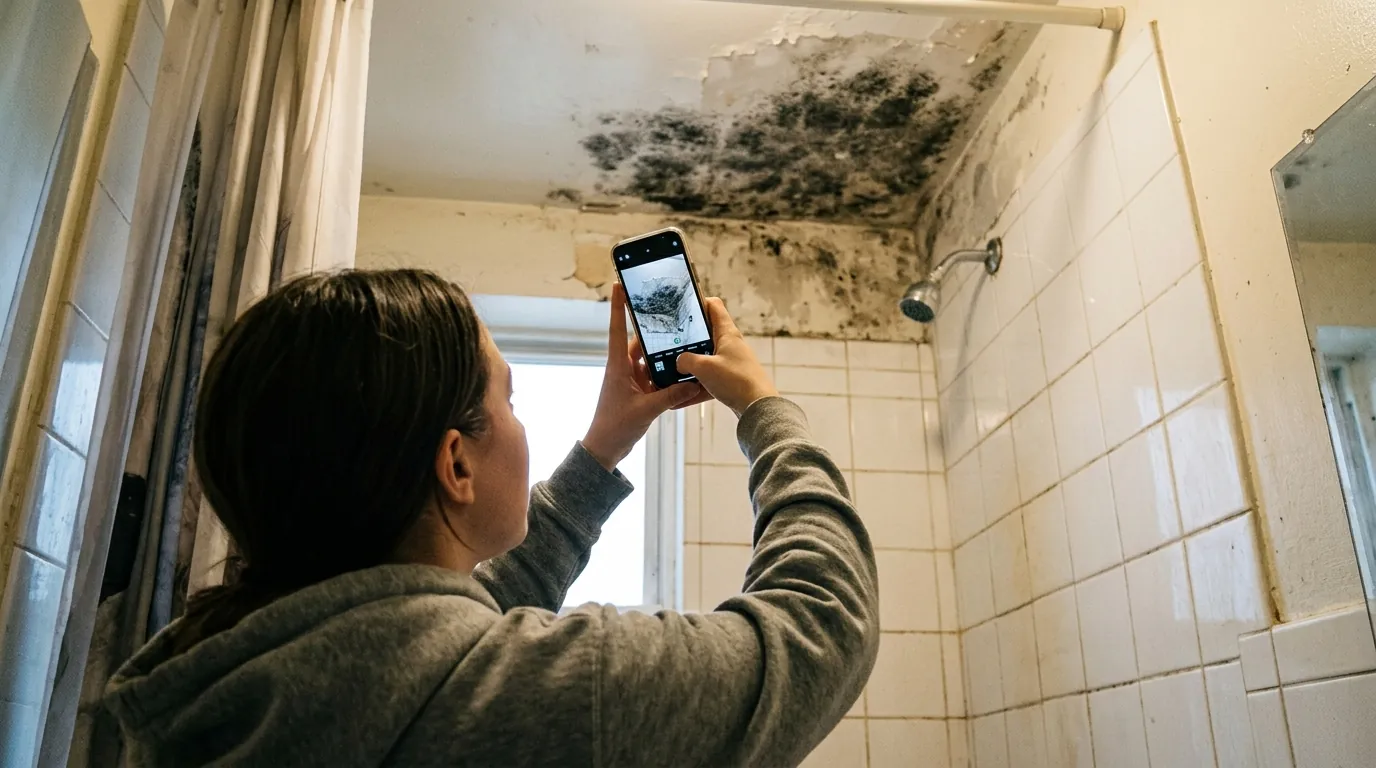
Report mold as soon as you notice it, and put it in writing even if you also call. Text or email with photos and dates is better than a conversation nobody wrote down.
- Photograph the growth with something for scale, and note the date
- Describe any leak, drip, smell or stain you have noticed
- Say what you have already done, such as running the fan
- Keep a copy of everything you send and every reply
- Avoid scrubbing or painting over it before the landlord sees it
Small surface spots on grout or a window frame can reasonably be cleaned while you wait. Growth on drywall, a musty smell with no visible source, or anything that keeps coming back should be left for the landlord to look at.
For landlords: what to do first
Respond quickly and in writing, and get someone with a moisture meter into the unit. The first visit should answer three questions: how large is the affected area, what is the moisture source, and is it still active.
Fix the source first. Cleaning mold off a wall over a live leak buys a few months at most. For anything beyond a small surface patch, remediation under containment keeps the tenant's belongings and the rest of the unit clean while the work happens. A rental remediation visit should end with photos and a written summary for the unit file.
Condensation: the gray area
Winter window and ceiling mold is where tenants and landlords most often disagree. Everyday life adds moisture: showers, cooking, drying laundry indoors and sleeping with the door closed. Buildings add their own part: weak bath fans, single-pane windows and cold exterior walls.
The fair answer usually involves both. The landlord makes sure there is a working fan that vents outside and windows that are not failing, and the tenant runs the fan, cracks a window after showers and keeps furniture off cold exterior walls. See window condensation and mold.
At move-out and turnover
Turnover is the best time to find hidden damage, because the unit is empty and whole rooms can be opened. Check under sinks, around tubs and toilets, behind the refrigerator and in closets on exterior walls. Photograph the condition for both the outgoing and incoming tenant.
If growth is found, fixing it before the next lease starts is far easier than working around a new tenant later.
A note on the law
We are not lawyers, and this guide is not legal advice. Utah's Fit Premises Act is the place to start for the specific rights and duties of landlords and renters, and a tenant resource or an attorney can explain how it applies to your situation. What we can offer is the factual record: what we found, where the water came from and what was done.
Where we can help
Quick questions
Small surface spots on hard surfaces, yes. Growth on drywall or anything recurring should be reported and left for the landlord.
Not usually. Readings and photos show the source and the extent. Testing helps when growth is hidden.
Sources
Answered around the clock
Mold in a rental unit? Call us.
Owners, managers and tenants can all call. We will explain how we would handle the visit.